Common Mistakes in Rule The Globe
Stop leaking matches to overextension, hollow armies, and panic decisions.
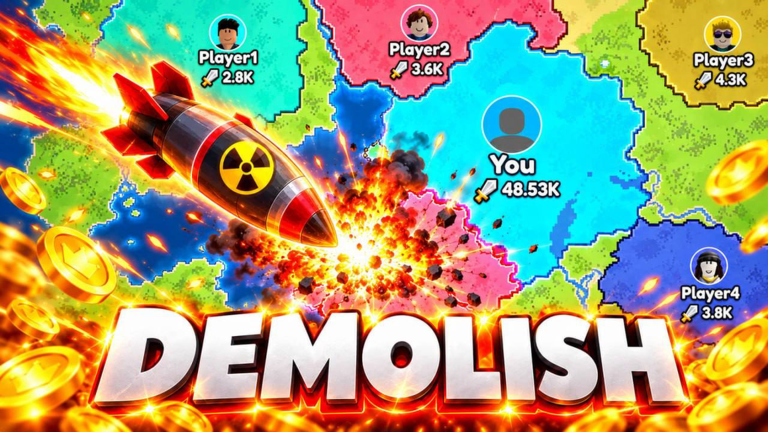
Most Rule The Globe losses look dramatic on the zoomed-out map and boring in the replay. Empires rarely die from one genius enemy plan. They die from repeated habits: painting too far, ignoring a soft neighbor, spending the last reserve, trusting a loud alliance, panic-nuking, forgetting coasts, fiddling with cosmetics mid-war, or opening three fronts at once. This page names those mistakes and gives a practical fix for each.
Browse the Guides Hub for the full map. If you are still learning the buttons, skim Getting Started and Controls first. If your problem is growth math specifically, pair this page with How to Expand. For positive habits instead of failure modes, jump to Tips and Tricks. When you want a full match plan, use How to Win.
Overextension: the pretty hollow empire
Mistake: You claim every empty tile in reach until your outline looks huge. Interiors stay thin. Borders snake. One probe flips a province and the blob collapses.
Why it hurts: Rule The Globe rewards troop density and answer speed more than screenshot size. A max-20 lobby always has someone who notices a ribbon border.
Fix: Pause expansion when you cannot defend two edges at once. Fill gaps before new tips. Prefer compact shapes. After every wave of claims, rebuild a real reserve before the next Attack. Treat consolidation as part of winning, not as cowardice. Rank openings later on the Tier List only after your borders stop leaking.
Ignoring small neighbors
Mistake: You leave a tiny nation on a critical edge because “they are not a threat” while you chase the biggest rival.
Why it hurts: Small empires become scouts, beachheads for third parties, nuke staging gossip, or late flankers. The video culture around this game already warns about careless expansion next to soft enemies for a reason.
Fix: Categorize every adjacent player as erase, pin with a short pact, or watch with a dedicated stack. Do not leave “unmanaged” human tiles on a chokepoint or coast approach. Diplomacy options live in Alliances and Diplomacy; the growth decision lives in expansion discipline.
Empty troop reserves
Mistake: Full-send Attack every fight. Your map looks aggressive until someone counters the emptied border and you have nothing left to answer with.
Why it hurts: Attack spends soldiers that no longer sit on the line. Empty reserves turn every neighbor into a free tempo gift.
Fix: Decide a minimum home guard before you confirm Attack. Prefer graduated pressure over all-in dumps. If a fight needs your entire army to “maybe” succeed, it is usually the wrong fight. Rebuild after each wave. Practice the same restraint when ships and nukes enter the plan on Ships and Naval and the Nukes Guide.
Bad alliances
Mistake: You ally the first person who types “team?” then empty the allied border, share your entire plan in chat, and act shocked when the betrayal lands.
Why it hurts: Alliances are temporary contracts in a betrayal fantasy game. Trust without an exit plan is a donation.
Fix: Ally for a job: freeze one dangerous front, coordinate one joint Attack, or buy time to finish empty land. Keep a reserve on every allied edge. Write an exit condition before you accept. Betray when the contract’s value ends, not when a meme demands drama. Read Alliances and Diplomacy for trust signals that matter more than vibes.
Nuke panic
Mistake: Someone launches near you, the chat screams, and you spend your nuke for emotional symmetry without a follow-up army.
Why it hurts: Nukes reshape politics. A panic shot without conversion often helps a third empire more than it helps you. Retaliation spirals can also paint a target on your core.
Fix: Ask whether the blast creates a path your troops can take in the next minute. If the answer is no, save the weapon or use diplomacy first. When you do launch, pre-stack the follow-up Attack. Details and timing live on the Nukes Guide; finishing logic belongs in How to Win.
Ignoring coasts
Mistake: You play pure inland tunnel vision while ships exist. A rival lands behind your pretty land border and your whole plan turns into a cleanup job.
Why it hurts: Coastal invasions create second fronts that land armies cannot instantly answer. In a twenty-player lobby, geography is a weapon.
Fix: Scout your shoreline early. Claim or ally coasts you cannot patrol. Learn when a beachhead is worth more than another inland province. Study landings on Ships and Naval and check whether your spawn concept fits coastal risk on Starting Regions.
Cosmetic distraction
Mistake: Mid-war you open patterns, crowns, and flags for ten minutes while borders burn. You look stylish and late.
Why it hurts: Customization is identity, not armor. Time in the cosmetic menu is time not spent claiming, answering, or negotiating.
Fix: Set a readable look in the first calm minute, then lock the menu until a real pause. Use high-contrast choices so allies can call your tiles. Cosmetics guidance sits on Land Customization; never let it replace Tips and Tricks habits.
Multi-front wars
Mistake: You declare or inherit fights on three sides because chat called you soft, because revenge felt good, or because empty land on two continents looked shiny.
Why it hurts: Attention is a resource. Two active wars usually mean both borders are thinner than you think. Third parties farm the chaos.
Fix: Choose one primary front. Freeze secondary borders with stacks or short pacts. Decline vanity wars. If you already opened too many fronts, trade peace on the least valuable one immediately. Match phases in How to Win assume focus; the Players hub also explains why aggressors who rotate targets carefully outlive rage-queue warriors.
A fast recovery checklist
When a match is slipping, run this list once:
- Stop new tip claims for sixty seconds.
- Count exposed borders and pick one to thicken.
- Reassign unmanaged small neighbors.
- Cap active wars at one unless a second is existential.
- Close the cosmetic menu.
- If a nuke is ready, demand a follow-up plan or wait.
- Glance at coasts before the next land push.
Then return to the matching deep guide. Common mistakes are not personality flaws. They are habits you can replace one lobby at a time. Rule The Globe by Starium Games rewards the player who keeps reserves, short borders, honest alliances, and coastal awareness while everyone else paints ego on the globe.
For meta context after patches, skim Updates. For reward myths while you practice, remember Codes still track verified strings only. Official links stay on the Wiki hub.
Frequently Asked Questions
Quick answers for Rule The Globe players.
What is the most common Rule The Globe mistake?
Overextension with empty reserves. Huge hollow borders lose to compact empires that can still Attack twice.
Should I always kill small neighbors?
Not always. Erase, pin with a short alliance, or watch them. Leaving them unmanaged on a critical edge is the real mistake.
Is allying early a mistake?
Early alliances are fine when they freeze a dangerous border. They become mistakes when you empty the allied edge and have no exit plan.
When is launching a nuke a mistake?
When you fire for panic or chat pressure without a troop follow-up that converts the blast into land.
Why do coasts matter if I spawn inland?
Rivals can still sail into your theater or cut allies off. Ignoring shoreline lets second fronts appear behind your main war.
Where should I go after fixing these mistakes?
Build positive habits on Tips and Tricks, then follow the phase plan on How to Win.